
Don't buy the hydrogen hype
Brought to you by the Physicians for Social Responsibility - Los Angeles.
Inefficient

Hydrogen rarely occurs in nature in a form suitable for use, meaning that a significant amount of energy is needed to isolate it in a usable form.
Due to losses during conversion, transportation, and other challenges associated with hydrogen gas, most of the energy used to produce it is lost before the fuel can be used. In other words, 100 MWh of solar power would only yield about 25 MWh of hydrogen-powered electricity. In most cases, it is much more efficient to use solar energy directly or store it in a battery.
Greenwashed

While many believe hydrogen is the future of clean energy, it is a greenwashing tool largely promoted by the oil & gas industry.
This false solution extends the use of fossil fuels by blending hydrogen with methane (in pipelines, power plants, and homes), posing additional health, safety, and environmental challenges. It is a way to steer climate investments toward profitable fossil fuel companies and to derail progress toward truly renewable alternatives that threaten their business model.
Given the seriousness of the climate crisis, investing taxpayer money in an unproven, risky, and expensive scheme led by the fossil fuel industry is an unwise use of limited funding available for climate mitigation.
Inefficient
Hydrogen rarely occurs in nature in a form suitable for use, meaning that a significant amount of energy is needed to isolate it in a usable form.
Due to losses during conversion, transportation, and other challenges associated with hydrogen gas, most of the energy used to produce it is lost before the fuel can be used. In other words, 100 MWh of solar power would only yield about 25 MWh of hydrogen-powered electricity. In most cases, it is much more efficient to use solar energy directly or store it in a battery.
Greenwashed
While many believe hydrogen is the future of clean energy, it is a greenwashing tool largely promoted by the oil & gas industry.
This false solution extends the use of fossil fuels by blending hydrogen with methane (in pipelines, power plants, and homes), posing additional health, safety, and environmental challenges. It is a way to steer climate investments toward profitable fossil fuel companies and to derail progress toward truly renewable alternatives that threaten their business model.
Given the seriousness of the climate crisis, investing taxpayer money in an unproven, risky, and expensive scheme led by the fossil fuel industry is an unwise use of limited funding available for climate mitigation.
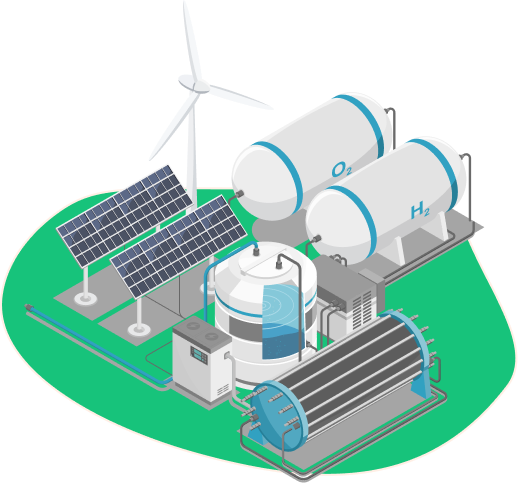
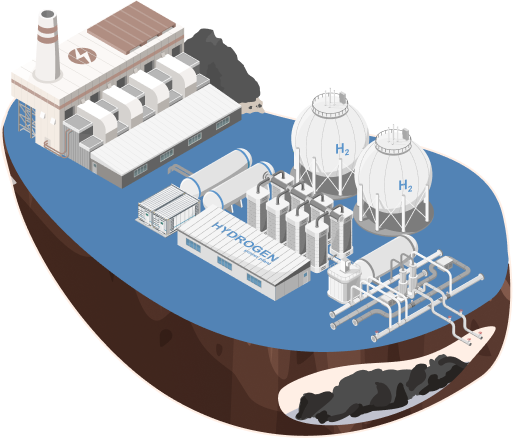
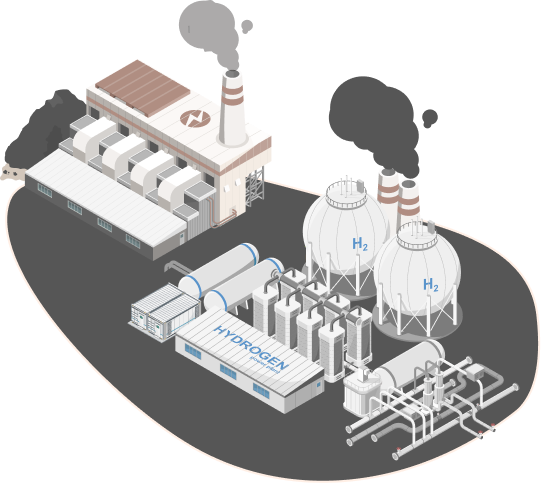
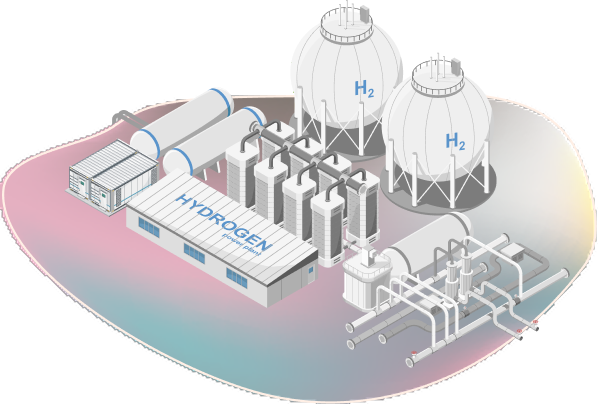
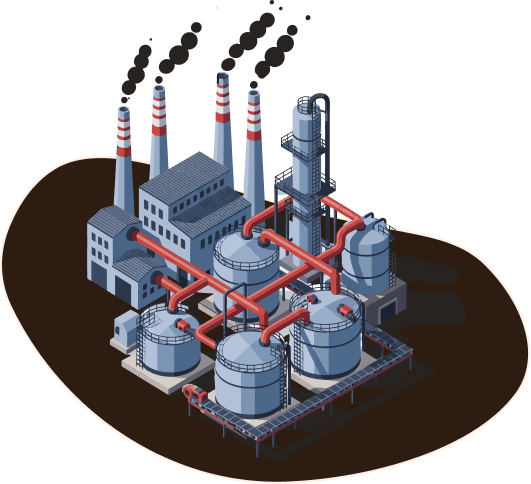
Hydrogen Production
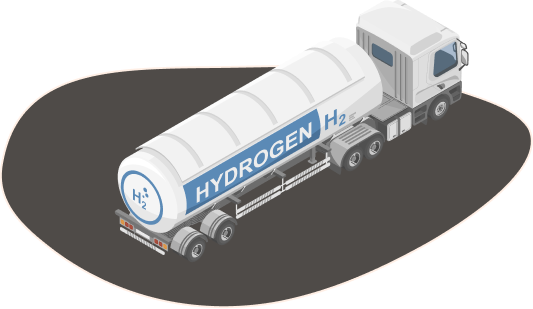


Hydrogen Transportation and Storage




Hydrogen End Uses
Learn More about PSR LA
PSR-LA envisions a democratic, equitable, and just society powered by thriving communities and a regenerative economy that values the environment, human rights, and health.